




In geo-location, are your energy bills climbing while your home stays uncomfortable? Furthermore, attic insulation problems may be the hidden culprit stealing your comfort and wasting money. Moreover, when attic insulation issues develop, your heating and cooling systems work overtime to maintain temperature, driving up costs significantly. Consequently, poor attic insulation allows conditioned air to escape through your ceiling while outdoor temperatures infiltrate your living spaces. In addition, inadequate attic insulation creates hot spots in summer, cold drafts in winter, and inconsistent comfort throughout your home. Similarly, over time, attic insulation damage from moisture, pests, or settling reduces effectiveness dramatically. Furthermore, deteriorating attic insulation loses its ability to resist heat transfer, making your home increasingly inefficient. Therefore, whether you need partial repairs or complete attic insulation replacement, addressing these problems restores comfort and reduces energy costs. Scheduling attic insulation service near you helps identify problems and recommend effective solutions.
Why Attic Insulation Matters
Specifically, before exploring attic insulation problems, understanding how insulation works helps homeowners recognize issues.
How Attic Insulation Works
Furthermore, insulation creates a thermal barrier in your home:
- Specifically, it resists heat transfer between attic and living space
- Furthermore, it traps air in tiny pockets to slow temperature exchange
- Moreover, it maintains consistent indoor temperatures year-round
- Additionally, it reduces strain on heating and cooling systems
- Consequently, it works in both hot and cold seasons to protect comfort
Therefore, when attic insulation issues compromise this barrier, energy efficiency plummets.
The Cost of Inadequate Insulation
Moreover, according to the U.S. Department of Energy, poor attic insulation significantly impacts energy costs. Specifically, properly insulated attics experience minimal heat loss. Furthermore, inadequate insulation allows 25 to 30 percent heat loss. Additionally, severely degraded insulation can cause 40 percent or more heat loss. Consequently, addressing attic insulation problems often produces immediate savings on utility bills.
Signs of Attic Insulation Problems
Additionally, recognizing attic insulation problems early helps you address issues before energy costs spiral. Therefore, watch for these warning signs.
Attic Insulation Problems: High Energy Bills
Furthermore, rising costs often indicate insulation failure:
- Specifically, bills increasing without usage changes
- Furthermore, costs higher than neighbors with similar homes
- Moreover, seasonal spikes exceeding normal patterns
- Additionally, HVAC system running constantly without reaching set temperature
Consequently, poor attic insulation forces your system to work harder, consuming more energy.
Attic Insulation Issues: Uneven Temperatures
Similarly, temperature inconsistency signals problems:
- Specifically, some rooms significantly warmer or cooler than others
- Furthermore, second floor uncomfortable compared to first
- Moreover, temperature varies dramatically from room to room
- Additionally, difficulty maintaining thermostat setting throughout the home
Therefore, these symptoms suggest inadequate attic insulation failing to maintain consistent comfort.
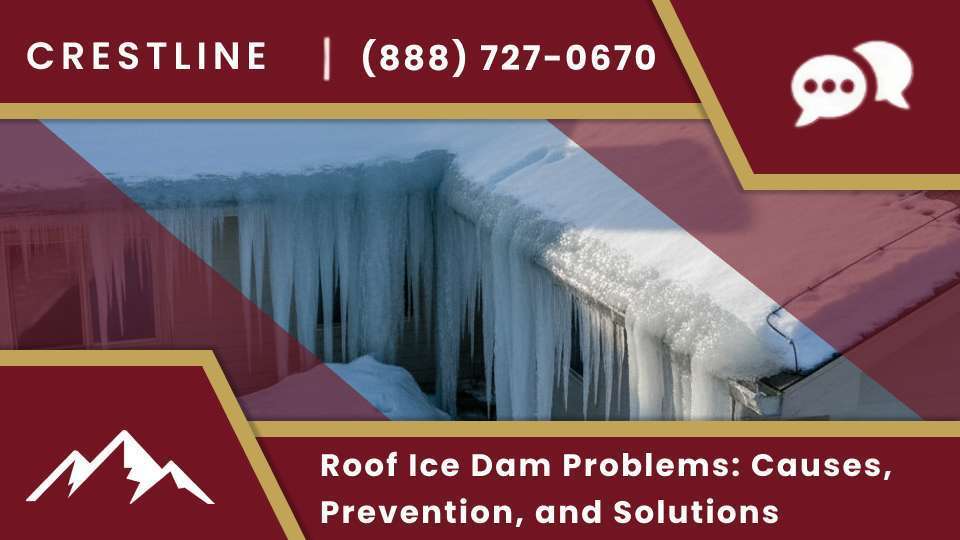
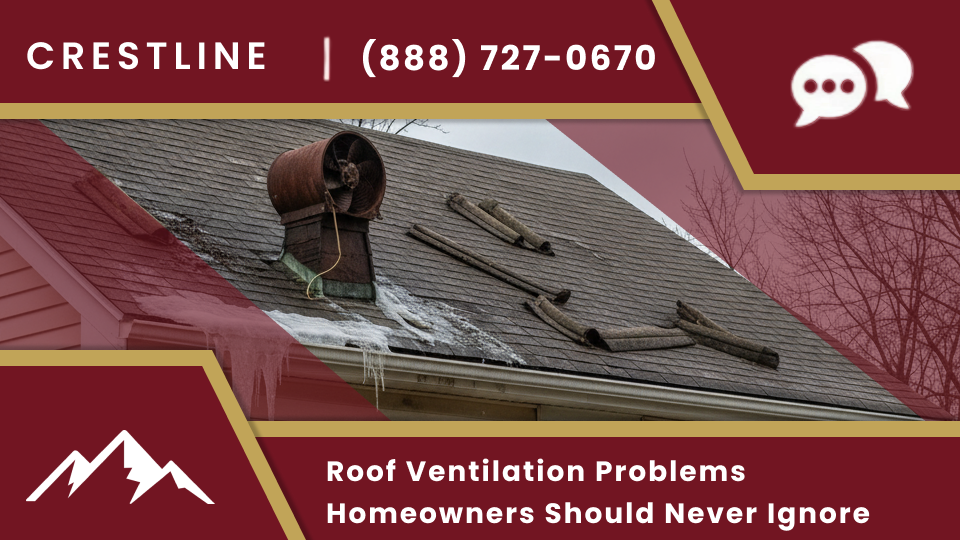
Ice Dams in Winter
Likewise, ice forming at roof edges indicates heat loss:
- Specifically, icicles hanging from gutters along the roofline
- Furthermore, ice buildup forming at the roof edge
- Moreover, water damage appearing on exterior walls
- Additionally, roof damage from repeated freeze-thaw cycles
Hence, ice dams result from attic insulation problems allowing heat to escape and melt snow unevenly.
Drafts and Cold Spots
In addition, air movement inside your home signals issues:
- Specifically, drafts felt near ceilings and upper walls
- Furthermore, cold spots developing in certain areas
- Moreover, air movement felt without windows open
- Additionally, curtains moving near exterior walls
Consequently, these drafts often trace back to poor attic insulation allowing air infiltration.
Common Causes of Attic Insulation Damage
Moreover, understanding what causes attic insulation damage helps with prevention and repair decisions.
Attic Insulation Problems from Moisture
Furthermore, water damages insulation severely:
- Specifically, roof leaks soaking insulation material from above
- Furthermore, condensation forming from poor ventilation
- Moreover, humidity entering from bathroom exhaust vents
- Additionally, ice dam water intrusion during winter months
Consequently, wet insulation loses effectiveness and promotes mold growth, creating deteriorating attic insulation.
Attic Insulation Issues from Pests
Similarly, animals destroy insulation quickly:
- Specifically, rodents nesting inside insulation material
- Furthermore, squirrels creating tunnels and pathways through batts
- Moreover, birds pulling insulation apart for nesting material
- Additionally, insects contaminating and degrading the material
Therefore, pest damage creates attic insulation damage requiring removal and replacement.
Age and Settling
Likewise, insulation degrades naturally over time:
- Specifically, fiberglass settles and compresses under its own weight
- Furthermore, cellulose packs down from gravity over the years
- Moreover, R-value decreases steadily as material ages
- Additionally, original installation may be inadequate by current standards
Hence, older homes often have inadequate attic insulation by modern efficiency standards.
Improper Installation
In addition, installation problems reduce effectiveness from the start:
- Specifically, gaps and voids in coverage leave areas unprotected
- Furthermore, compressed insulation loses significant R-value
- Moreover, vapor barrier installed incorrectly traps moisture
- Additionally, insufficient depth for the climate zone fails to meet code
Consequently, poor installation creates attic insulation problems from day one.
Assessing Your Attic Insulation
Furthermore, determining insulation condition helps decide on attic insulation replacement needs.
Visual Inspection Signs
Moreover, check your attic for these obvious problems:
- Specifically, insulation sitting below or level with joists
- Furthermore, visible gaps or thin spots in coverage
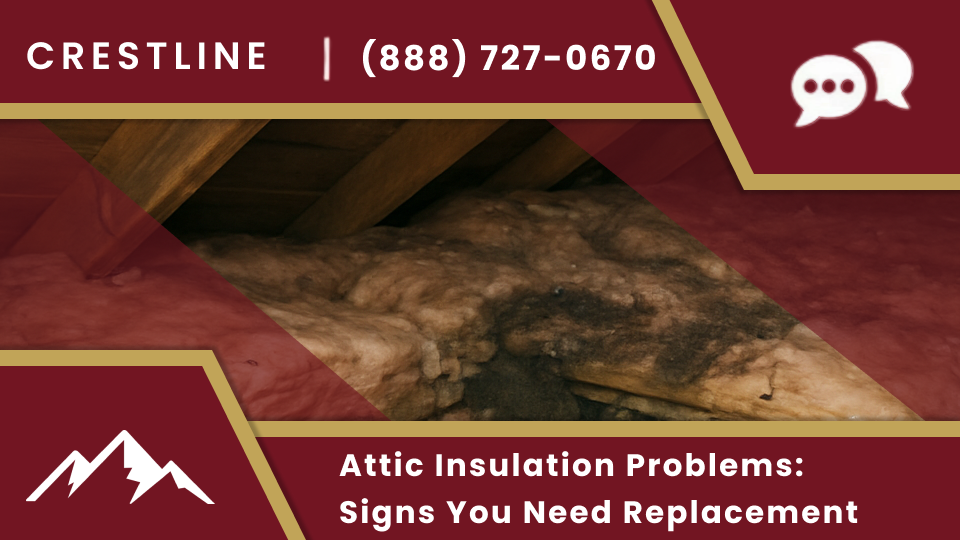
- Moreover, discoloration indicating moisture damage
- Additionally, pest droppings or nesting material throughout
- Consequently, compressed or matted appearance across sections
Therefore, these signs indicate deteriorating attic insulation needing professional attention.
Recommended Insulation Levels
In addition, current standards specify minimum R-values by climate zone. Specifically, Zones 1-2 in hot climates need R-30 to R-49. Furthermore, Zone 3 in warm climates requires R-30 to R-60. Moreover, Zones 4-5 in mixed climates call for R-38 to R-60. Additionally, Zones 6-7 in cold climates need R-49 to R-60. Consequently, if your insulation falls below these levels, an attic insulation upgrade improves efficiency significantly.
Professional Energy Audit
Similarly, expert assessment reveals hidden problems:
- Specifically, thermal imaging identifies heat loss areas precisely
- Furthermore, blower door testing measures air leakage accurately
- Moreover, R-value verification confirms insulation effectiveness
- Additionally, comprehensive reports document all issues found
Therefore, professional evaluation accurately identifies attic insulation issues for proper repair planning.
Types of Attic Insulation
Moreover, understanding insulation types helps with attic insulation replacement decisions.
Fiberglass Batts
Furthermore, traditional rolled insulation remains common:
- Specifically, pink or yellow blanket-style material in rolls
- Furthermore, fits between standard joist spacing easily
- Moreover, offers R-value of R-2.9 to R-3.8 per inch
- Additionally, it is the most common type found in existing homes
Consequently, fiberglass develops attic insulation problems when compressed, wet, or disturbed.
Blown-In Fiberglass
Similarly, loose-fill fiberglass offers versatile application:
- Specifically, machine-blown into attic spaces for even coverage
- Furthermore, fills irregular areas and gaps completely
- Moreover, provides R-value of R-2.2 to R-2.7 per inch
- Additionally, works well for adding to existing insulation layers
Cellulose Insulation
Likewise, recycled paper products provide effective insulation:
- Specifically, treated for fire and pest resistance before installation
- Furthermore, blown into attic spaces for thorough coverage
- Moreover, delivers R-value of R-3.2 to R-3.8 per inch
- Additionally, settles over time and requires more depth initially
Therefore, cellulose requires monitoring for attic insulation damage from settling.
Spray Foam Insulation
In addition, premium sealing insulation offers the best performance:
- Specifically, expands to fill gaps and cracks completely
- Furthermore, creates both an air barrier and insulation layer
- Moreover, provides R-value of R-3.7 to R-6.5 per inch
- Additionally, it is the highest performance option available
Consequently, spray foam rarely develops attic insulation issues but costs more initially.
Attic Insulation Replacement Options
Furthermore, several approaches address attic insulation problems depending on condition and goals.
Adding to Existing Insulation
Moreover, when current insulation is still intact:
- Specifically, blow additional material over existing layers
- Furthermore, increase total R-value affordably without full removal
- Moreover, no removal costs are required with this approach
- Additionally, installation is quick and minimally disruptive
Therefore, this approach works well when attic insulation damage is minimal.
Partial Replacement
Similarly, addressing damaged sections only saves money:
- Specifically, remove contaminated or damaged areas only
- Furthermore, install new insulation in affected zones
- Moreover, this is cost-effective for localized problems
- Additionally, it addresses pest damage or water issues directly
Consequently, partial attic insulation replacement makes sense for isolated attic insulation damage.
Complete Attic Insulation Replacement
Likewise, full removal and reinstallation delivers the best results:
- Specifically, remove all existing insulation completely
- Furthermore, address underlying structural issues first
- Moreover, install modern high-performance materials throughout
- Additionally, maximize energy efficiency gains for the entire home
Hence, complete attic insulation upgrade provides the best results for severely degraded systems.
Air Sealing Combined with Insulation
In addition, the most comprehensive efficiency improvement combines both approaches:
- Specifically, seal gaps and penetrations in the attic floor first
- Furthermore, then install new insulation over the sealed surface
- Moreover, this addresses both air leakage and heat transfer together
- Additionally, it maximizes both comfort and energy savings
Therefore, this combination approach resolves attic insulation problems most effectively.
Finding Attic Insulation Service Near You
Moreover, when attic insulation problems require professional attention, choosing the right service matters.
What to Expect from Professional Service
Furthermore, when scheduling attic insulation service near you, expect a thorough process. Specifically, the service begins with a complete evaluation of current insulation. Additionally, technicians perform R-value testing and damage identification. Moreover, they provide options for repair or replacement with a written quote before work begins. Consequently, professional installation ensures quality workmanship with verification of proper coverage and depth.
Finding Quality Attic Insulation Service Near You
Similarly, look for these qualifications when choosing a provider:
- Specifically, licensed and insured company with proper credentials
- Furthermore, experience with your specific insulation type
- Moreover, knowledge of local building codes and requirements
- Additionally, positive customer reviews and references
- Consequently, written warranties on all work performed
Attic Insulation Replacement Cost Considerations
In addition, attic insulation upgrade costs vary by approach. Specifically, adding blown-in insulation typically costs $1.00 to $2.50 per square foot. Furthermore, complete replacement runs $1.50 to $3.50 per square foot. Moreover, spray foam costs $3.00 to $7.00 per square foot. Additionally, air sealing combined with insulation ranges from $2.00 to $4.00 per square foot.
Preventing Future Attic Insulation Problems
Additionally, after attic insulation replacement, proper maintenance extends insulation life significantly.
Maintain Proper Ventilation
Furthermore, good airflow protects insulation from moisture damage:
- Specifically, ensure soffit vents remain unblocked at all times
- Furthermore, verify ridge or gable vents function properly
- Moreover, balance intake and exhaust ventilation for optimal airflow
- Additionally, prevent moisture buildup in the attic space
Address Roof Issues Promptly
Similarly, protecting insulation from water prevents damage:
- Specifically, repair roof leaks immediately when discovered
- Furthermore, fix flashing problems quickly before water spreads
- Moreover, address ice dam causes proactively each season
- Additionally, maintain gutters and downspouts for proper drainage
Control Pest Access
Likewise, keeping animals out of your attic protects insulation:
- Specifically, seal entry points around the roofline completely
- Furthermore, install screens on all vents and openings
- Moreover, trim tree branches near the roof to reduce access
- Additionally, address infestations immediately when discovered
Schedule Regular Inspections
Consequently, catching problems early saves money and prevents damage:
- Specifically, perform an annual visual inspection of your attic
- Furthermore, check insulation condition after severe weather events
- Moreover, monitor energy bills for unexplained changes
- Additionally, schedule professional assessment every few years
Final Thoughts on Attic Insulation Problems
In fact, attic insulation problems silently waste energy, reduce comfort, and drive up utility costs in countless homes. Moreover, whether you are dealing with poor attic insulation from age, inadequate attic insulation from original construction, or attic insulation damage from moisture or pests, addressing these attic insulation issues improves your home’s performance significantly.
Furthermore, deteriorating attic insulation loses effectiveness over time, making attic insulation replacement or an attic insulation upgrade a smart investment. Consequently, modern insulation materials and proper installation techniques deliver better comfort and lower energy bills for years to come.
Therefore, don’t let hidden insulation problems drain your wallet and compromise your comfort. In addition, schedule an evaluation with qualified attic insulation service near you to identify issues and restore your home’s energy efficiency. Consequently, properly insulated attics deliver the comfort and savings you deserve.
Phone: (206) 876-9660
Email: office@wa.crestln.com
Website: https://wa.crestln.com/